
What is the difference between wind comfort and wind safety?
Wind comfort and wind safety aren't the same — knowing the difference could determine your permit outcome.
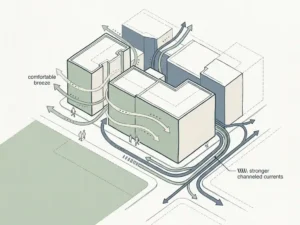
Wind comfort and wind safety aren't the same — knowing the difference could determine your permit outcome.
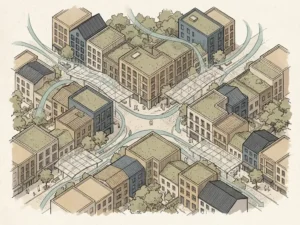
Six urban design features cut harmful street-level wind — here's exactly how and when to apply each one.
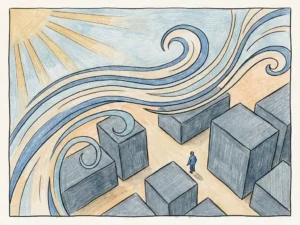
CFD wind simulation spots costly airflow problems early — discover how it shapes safer, more comfortable urban spaces.
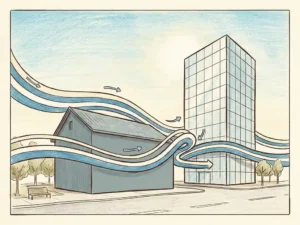
Tall buildings force wind downward, accelerating it at street level — here's what that means for pedestrian safety.
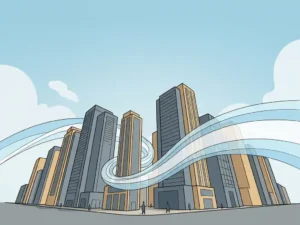
Tall buildings reshape wind at street level — here's what engineers and developers need to know before it's too late.
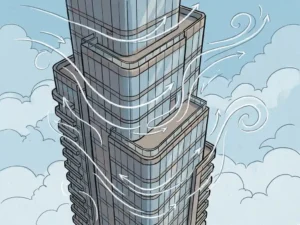
Wind above 15 m/s turns facade work hazardous — here's what the NEN 8100 standard means for workers and structures.
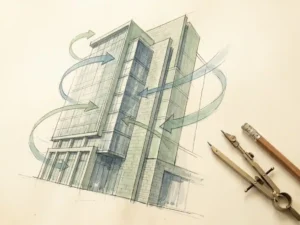
Architects who use wind data at concept stage avoid costly redesigns — here's exactly how it works.
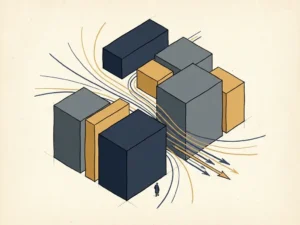
Tall buildings reshape urban wind in ways most designers underestimate — discover which shapes create the worst street-level gusts.
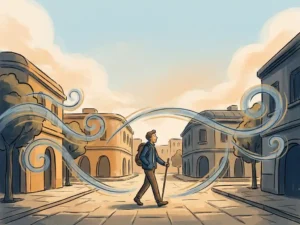
Wind above 5 m/s makes outdoor spaces uncomfortable — here's how global standards define acceptable thresholds.
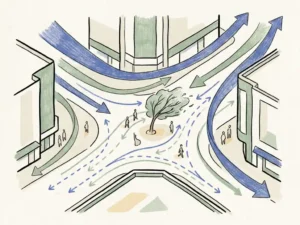
NEN 8100 vs. Lawson criteria explained — discover which wind speed standard governs your 2026 outdoor public space project.
Made by 