
What are 3 wind comfort standards used in urban planning?
NEN 8100, Lawson, or LDDC — discover which wind comfort standard governs your urban project and why it matters.
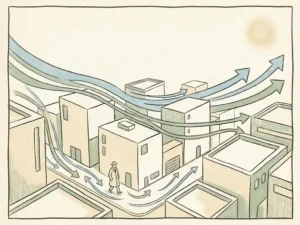
NEN 8100, Lawson, or LDDC — discover which wind comfort standard governs your urban project and why it matters.
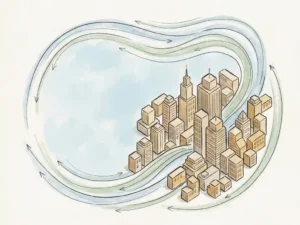
CFD simulations and urban wind criteria explained — discover how engineers tackle complex airflow challenges in dense city environments.

Discover how wind speed thresholds, CFD simulations, and NEN 8100 criteria determine pedestrian comfort — and when a study is legally required.

Tall buildings, open layouts, and misaligned gaps turn city squares into wind traps — here's why and how to fix it.
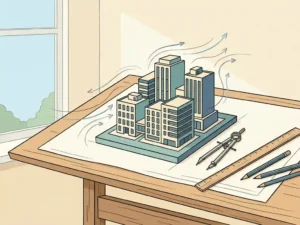
NEN 8100 vs. Lawson criteria: discover which wind comfort assessment method fits your 2026 project and location.
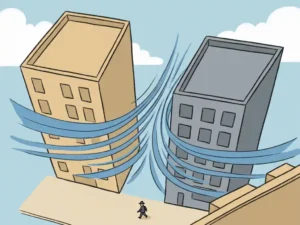
The Venturi effect, building shape, and street layout all drive dangerous urban wind acceleration — here's what's really happening.

NEN 8100 requires wind comfort class A or B for terraces — discover when a formal wind study is needed.
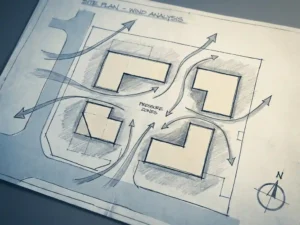
Assess pedestrian wind comfort early — before costly redesigns force compromises. Timing, norms, and methods explained.
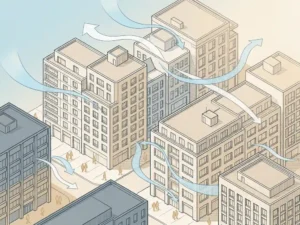
CFD simulation pinpoints pedestrian wind problems early — discover how it shapes smarter, permit-ready building designs.

Building height, spacing, and orientation dramatically shape street-level wind—here's what every urban planner should know.
Made by 