
Why is a wind assessment important for high-rise buildings?
High-rise buildings create dangerous street-level wind — here's why a formal assessment is legally required and what it involves.
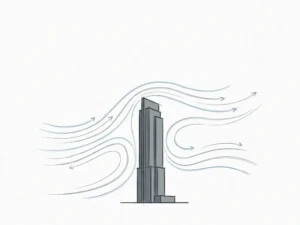
High-rise buildings create dangerous street-level wind — here's why a formal assessment is legally required and what it involves.
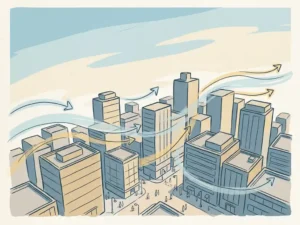
Wind studies reveal how buildings shape street-level safety — discover what planners must know before breaking ground.
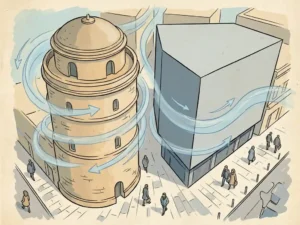
Discover how building shape, height, and orientation drive pedestrian wind comfort — and which design changes actually work.
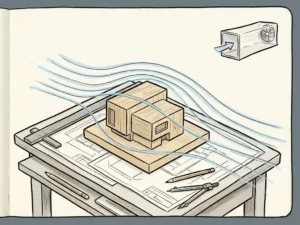
Discover the 5 wind engineering tests used in practice and which one your building project needs.

Tall buildings can triple street-level wind speeds — here's why it happens and how to fix it.
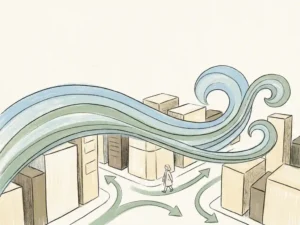
Discover how wind engineering prevents costly urban design mistakes and creates safer streets for pedestrians.
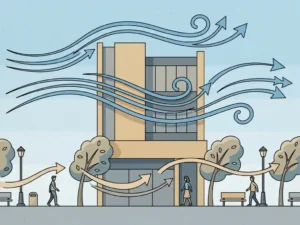
Discover how wind comfort assessments protect pedestrian safety — and why early studies save costly redesigns.
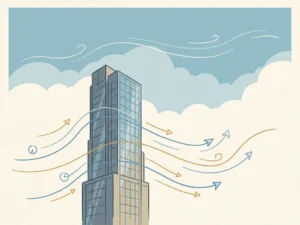
Six wind engineering factors every tall building project needs — from downwash effects to CFD simulation and pedestrian comfort standards.
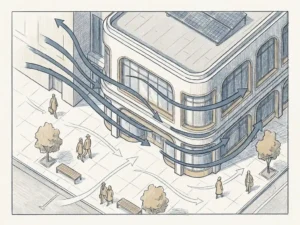
Discover how CFD, wind tunnels, and comfort standards like NEN 8100 shape smarter, safer building designs.
Master the 4 factors of wind engineering design — before costly mistakes get built in.
Made by 