
Which 4 wind comfort criteria do engineers use?
Discover which wind comfort criteria apply to your project — Lawson, NEN 8100, Davenport, or Eurocode explained.

Discover which wind comfort criteria apply to your project — Lawson, NEN 8100, Davenport, or Eurocode explained.
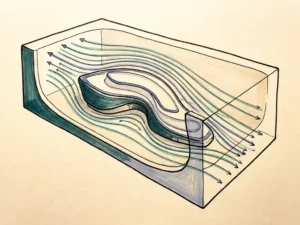
Wind tunnel or CFD? Explore key differences, accuracy, costs, and when each method wins for your project.
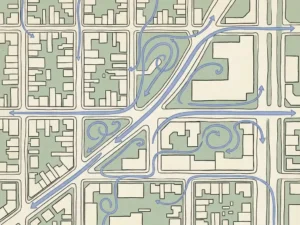
Street layout, building height, and orientation directly drive pedestrian wind comfort — here's what urban designers must know.
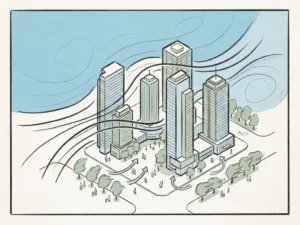
Tall buildings force wind to street level — here's why that matters for planning, safety, and design.
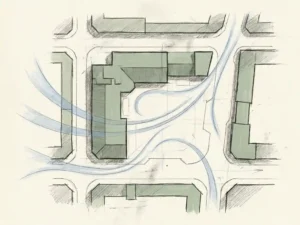
Discover how CFD simulations and wind tunnel tests help architects assess wind comfort before costly design decisions are locked in.
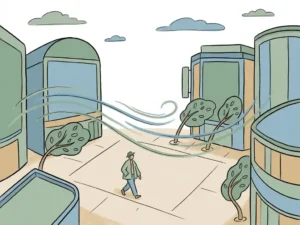
Discover how buildings reshape urban wind and what it means for pedestrian safety and comfort.
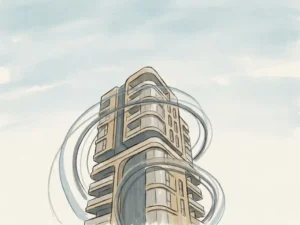
Discover how wind pressure, suction, and dynamic forces act on buildings — and when a formal wind load assessment is legally required.

NEN 8100 and Lawson criteria govern public square wind comfort — here's what each class means for your design.
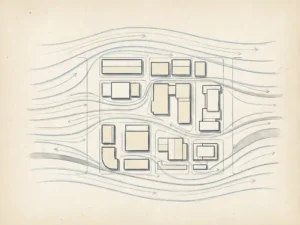
Wind tunnel or CFD? Discover which wind engineering analysis method suits your project and when it's legally required.
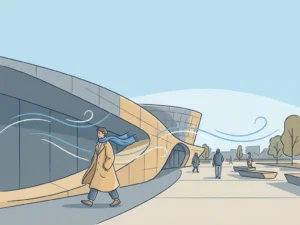
Discover how pedestrian wind comfort is assessed, when a study is required, and what to do when results reveal hazardous conditions.
Made by 