
How does urban density affect pedestrian wind comfort?
Urban density drives wind discomfort — discover how smart design and CFD simulation protect pedestrians before construction begins.

Urban density drives wind discomfort — discover how smart design and CFD simulation protect pedestrians before construction begins.
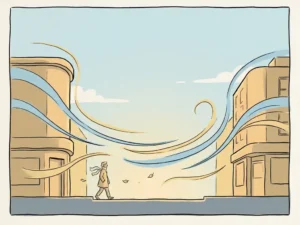
Wind above 5 m/s makes city streets uncomfortable — discover 5 key ways it impacts pedestrians and urban design.

Discover how CFD simulates wind across entire city districts — revealing what wind tunnels simply cannot.
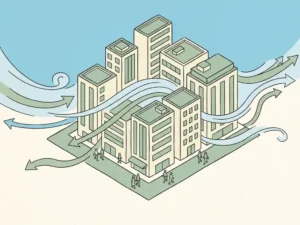
Wind engineers assess pedestrian comfort using CFD simulation and wind tunnel testing — here's exactly how it works.
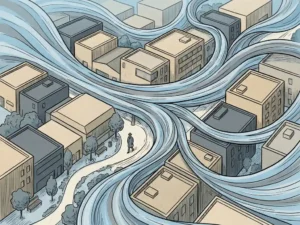
Building height, orientation, and urban context can dramatically amplify street-level wind. Discover what shapes pedestrian comfort.
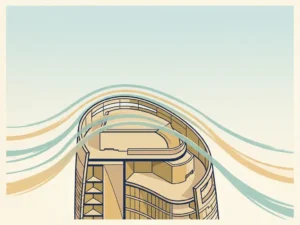
Wind engineering prevents structural failures and costly redesigns — here's how CFD and wind assessments shape smarter building decisions.

Discover 6 expert-backed strategies to reduce wind in public squares — from smart building layouts to post-construction fixes.
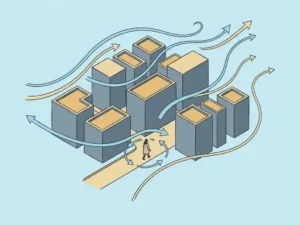
Discover when pedestrian wind comfort assessments are legally required and how they protect your design from costly post-construction surprises.
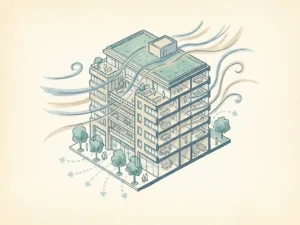
3 wind engineering best practices developers must know to avoid costly redesigns and failed permits.
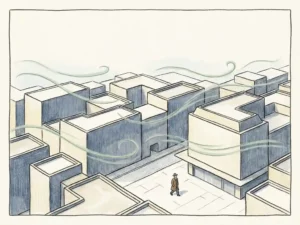
Discover how CFD and wind tunnel testing measure pedestrian wind comfort using NEN 8100 and Lawson criteria — before costly design mistakes are made.
Made by 