
What are 3 common wind speed problems in dense city developments?
Downwash, wind tunnels, urban density — three wind problems reshaping how cities must design for pedestrian safety.
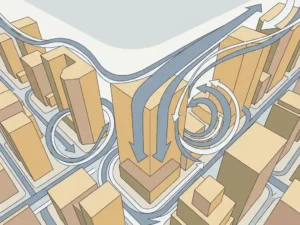
Downwash, wind tunnels, urban density — three wind problems reshaping how cities must design for pedestrian safety.
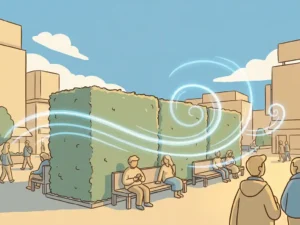
Trees can cut wind speeds by 50% — but placement, species, and season determine whether vegetation actually works.
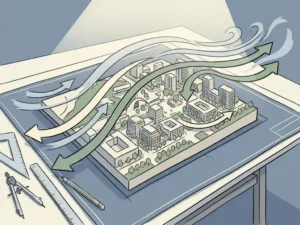
Wind tunnel testing, CFD simulation, NEN 8100 criteria — here's exactly how engineers assess wind around new developments.
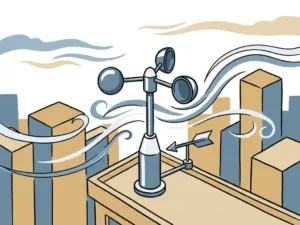
CFD, wind tunnels, or field sensors? Discover which urban wind measurement method delivers the most accurate, actionable results for your project.
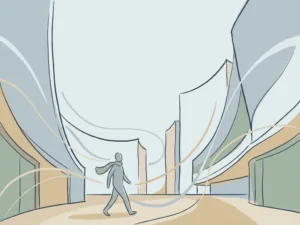
Tall buildings can turn gentle breezes into dangerous gusts — here's how wind engineering keeps pedestrians safe.
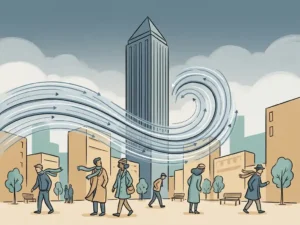
Tall buildings redirect fast, high-altitude wind straight down — here's where it hits hardest and why early design decisions matter most.
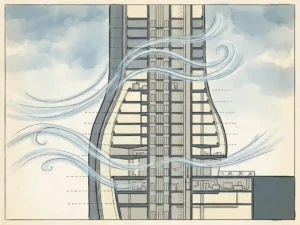
From wind tunnels to 583-million-cell CFD models — discover how wind engineering now shapes safer, smarter buildings.
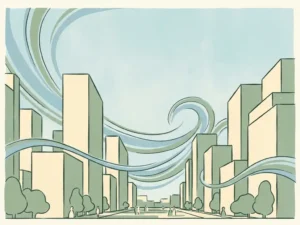
Building height, street layout, and terrain all drive urban wind speed — discover which factor matters most for pedestrian safety.
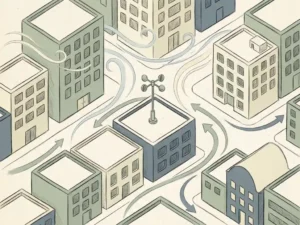
Wind tunnel or CFD? Discover how urban wind speed is measured and which standard applies to your building project.
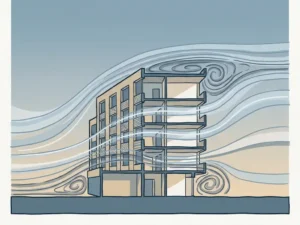
Doubling wind speed quadruples building pressure — here's why shape, not just speed, defines structural risk.
Made by 