Article
What is CFD (Computational Fluid Dynamics)?
At Actiflow, we use CFD on a daily basis to simulate gas and liquid flows. However, we find that there is still considerable misunderstanding about this powerful simulation method. In this article, we explain what CFD is, how it works, and how we use it to help our clients optimize products, systems, and buildings.
What is CFD?
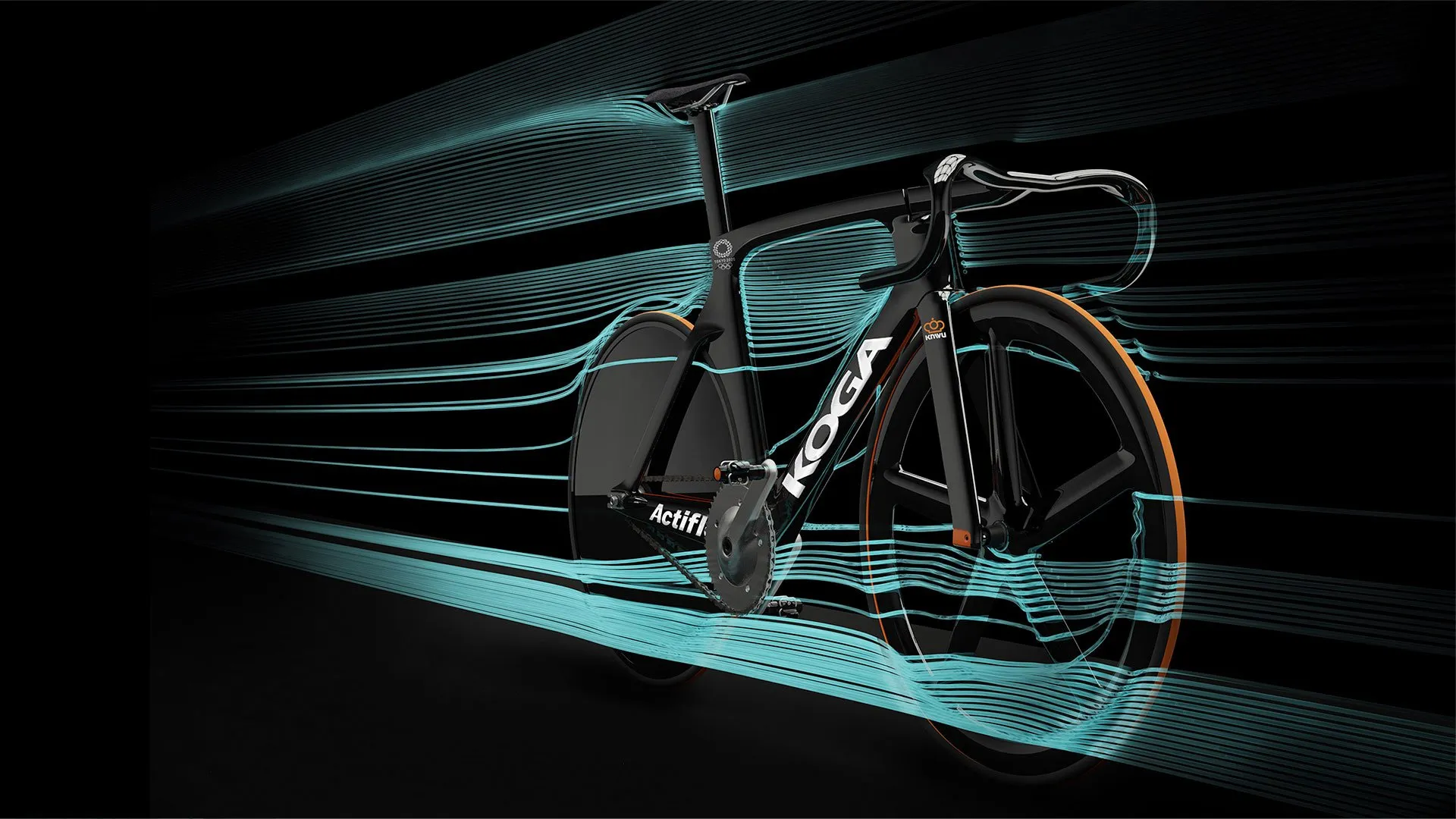
CFD stands for Computational Fluid Dynamics. It is a simulation technique used to visualize and quantify the behavior of gases and liquids and to evaluate their interaction with the surrounding environment.
CFD is a valuable tool during the early stages of product and building development. It enables engineers and designers to evaluate the fluid-dynamic performance of a new or modified CAD design in a virtual environment before any physical prototype is built. This provides valuable insights that support further development and optimization.
By identifying potential issues early in the design process, CFD helps avoid costly and time-consuming trial-and-error approaches, reduces project risks, and leads to better-performing solutions. CFD is also highly effective for analyzing existing products, systems, and buildings to determine whether improvements are possible and to identify the most efficient modifications.
Fields of Application
CFD simulations are used across a wide range of industries.
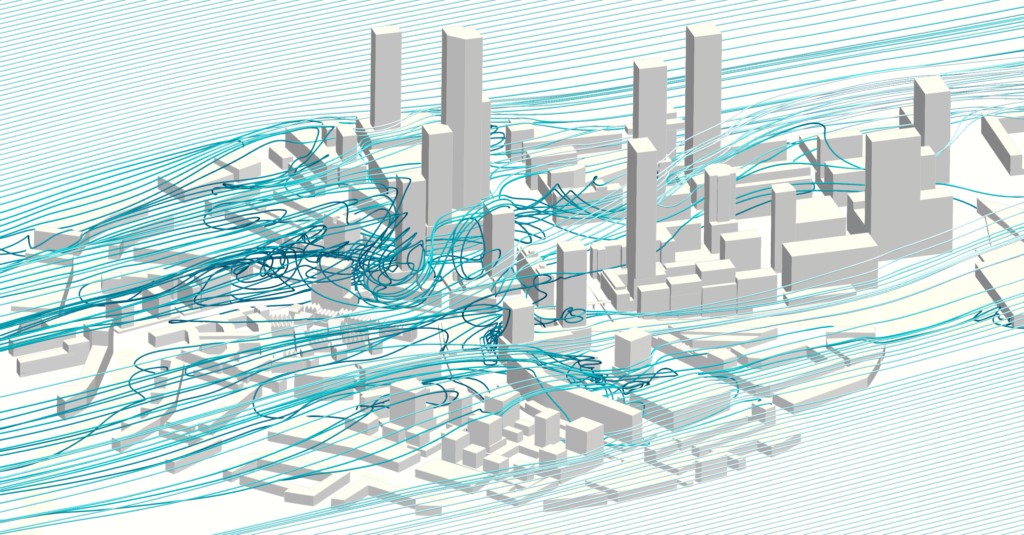
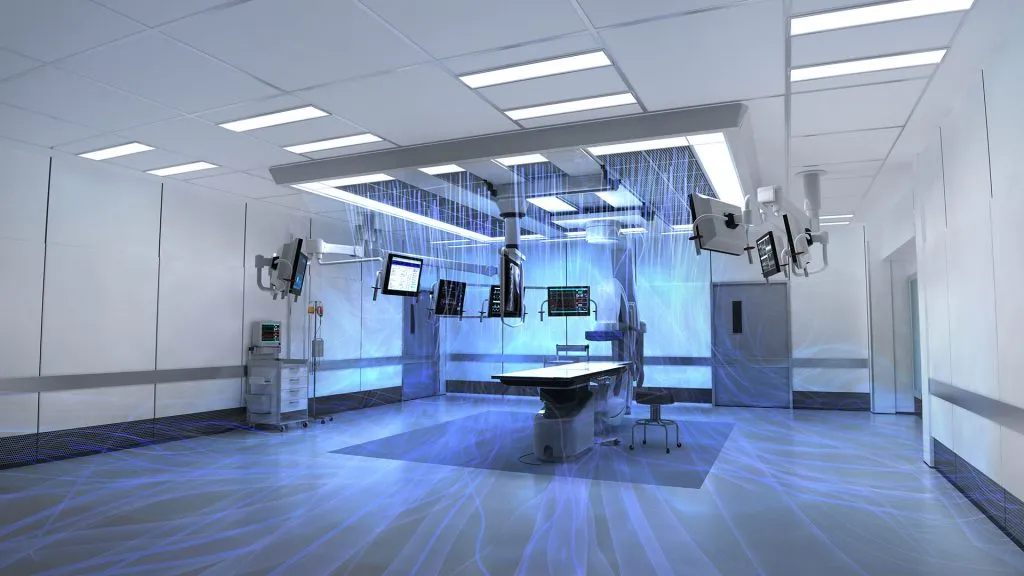
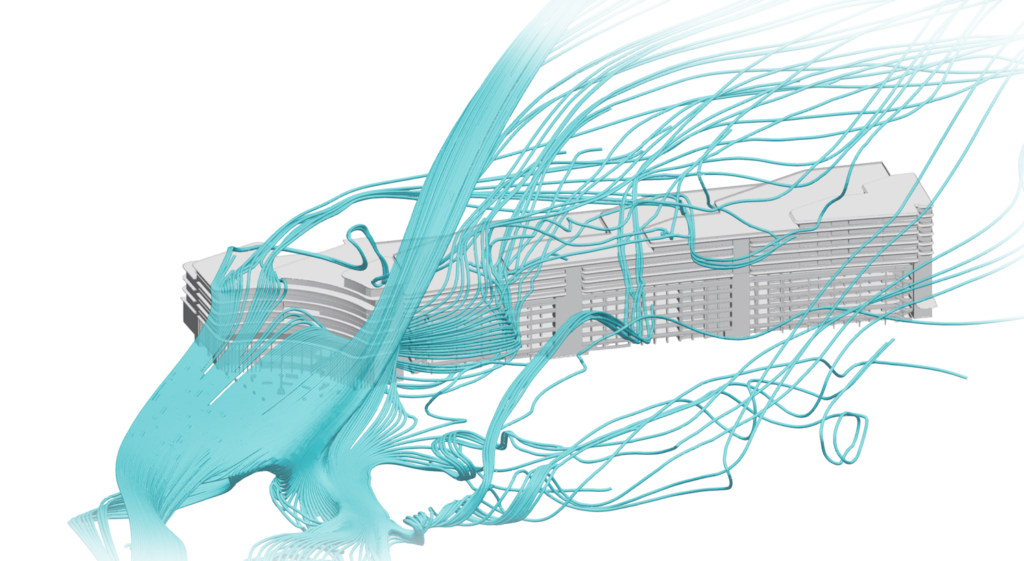
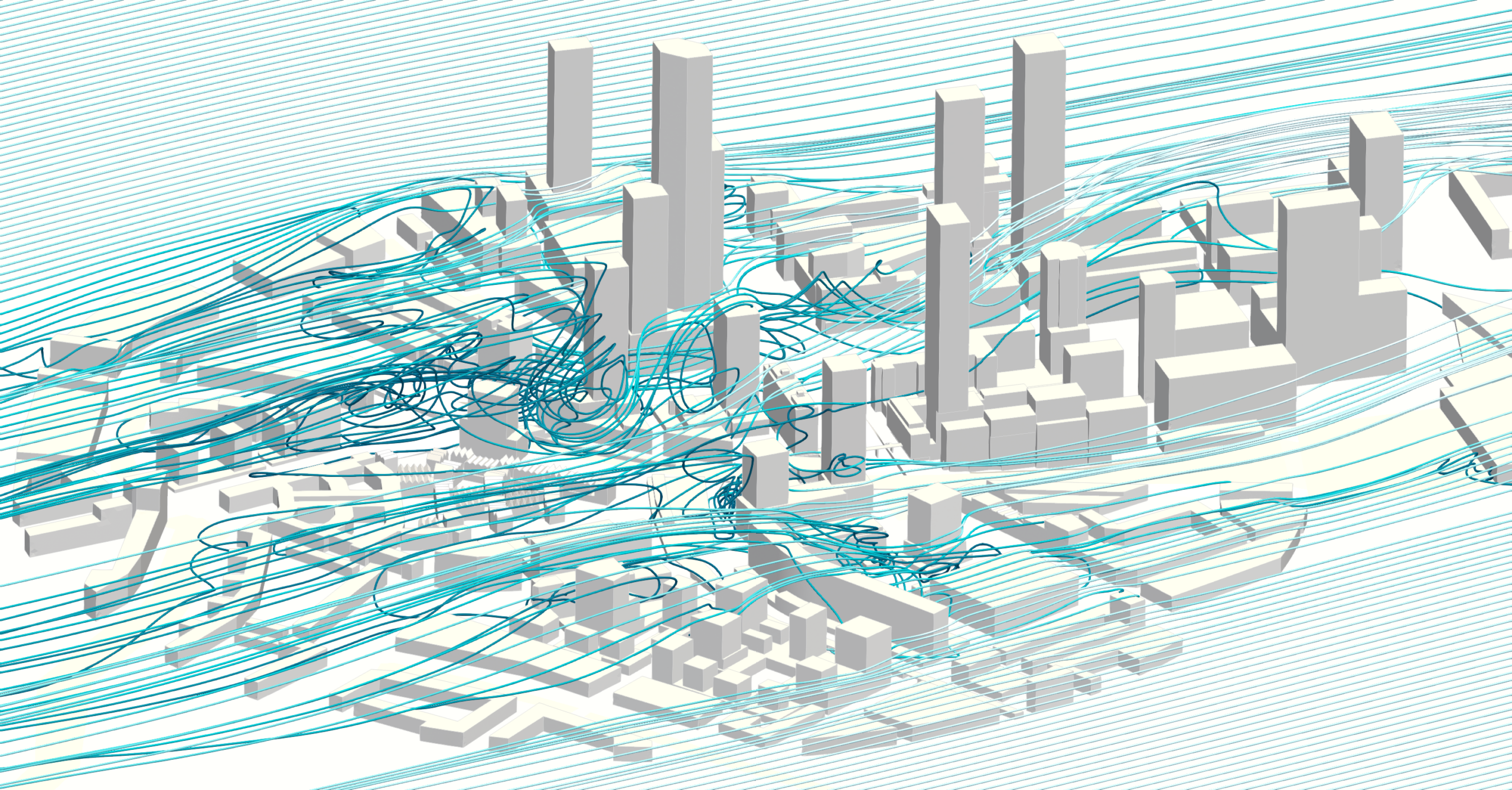
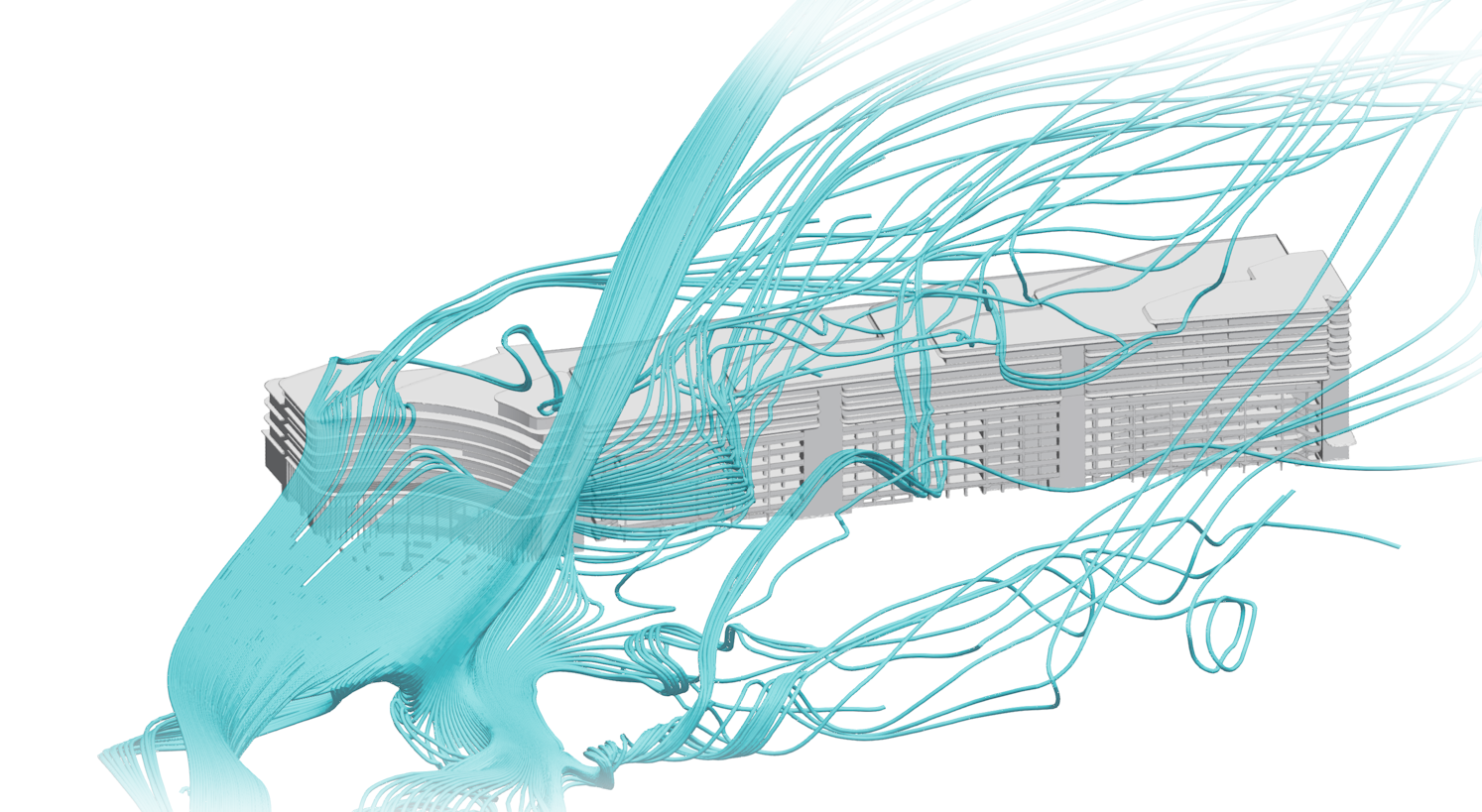
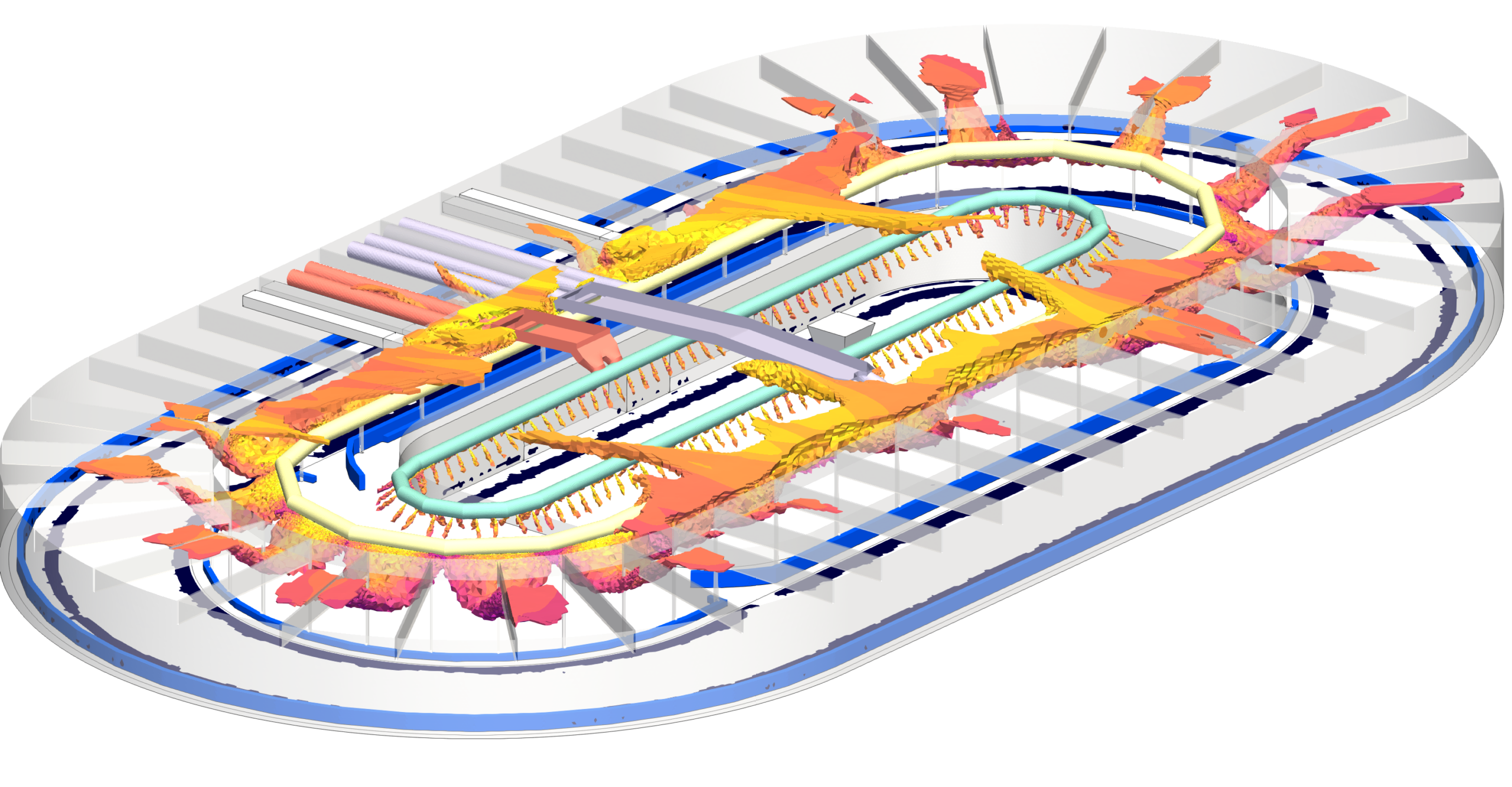
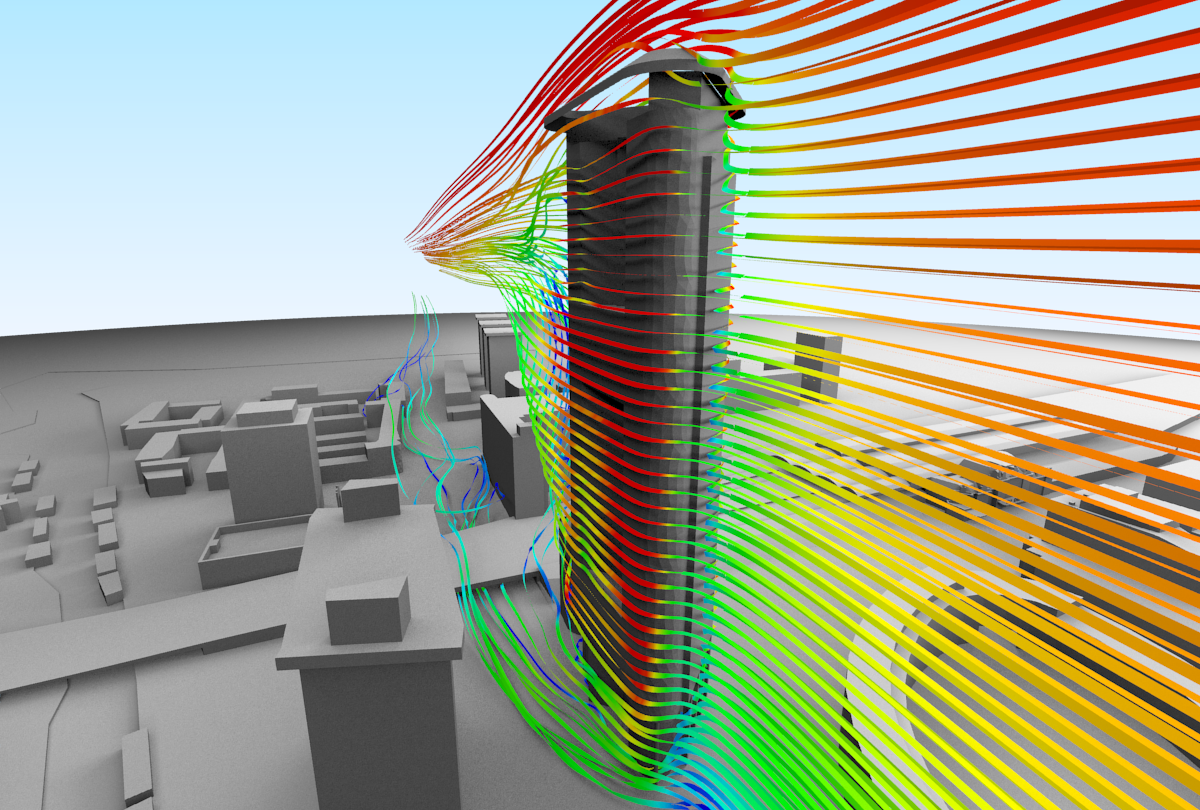
In the built environment, CFD is applied to assess the impact of buildings on the local wind climate, optimize energy-efficient HVAC systems, and predict smoke and heat propagation during fire scenarios.
Many other industries rely on CFD to support the design and optimization of flow-related products and processes. Examples include:
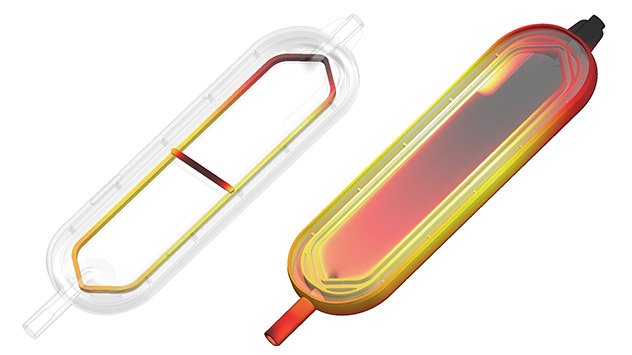
- Medical devices such as respiratory equipment and blood-warming systems
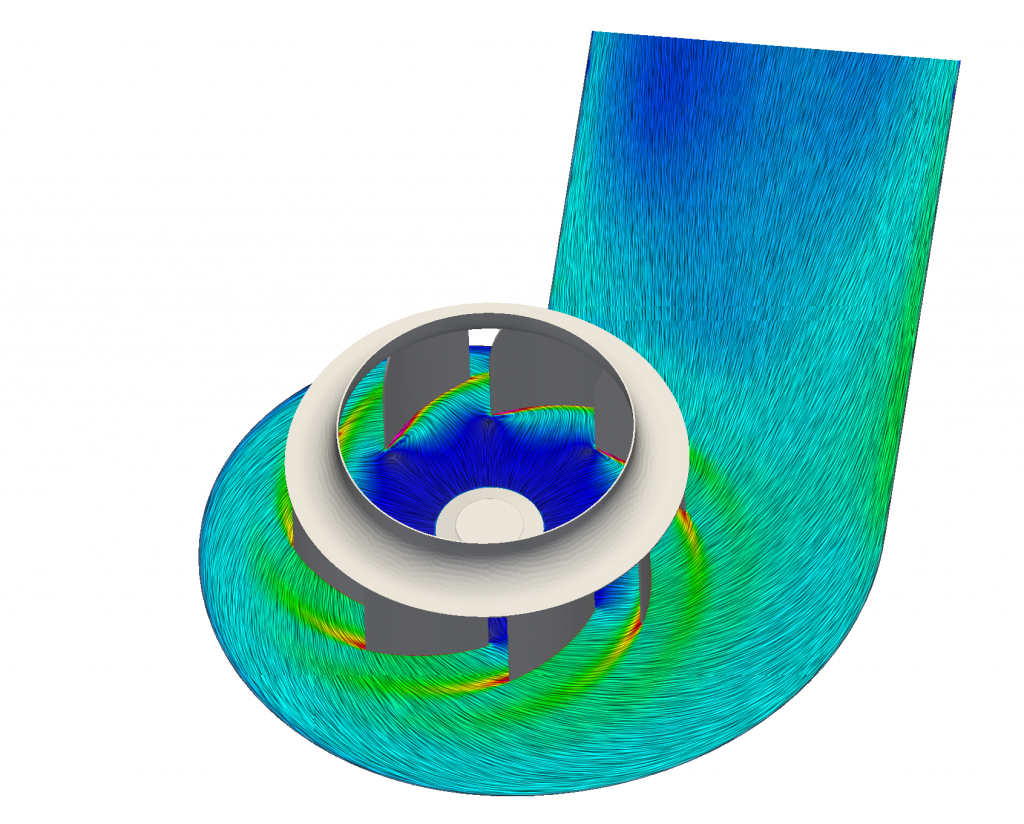
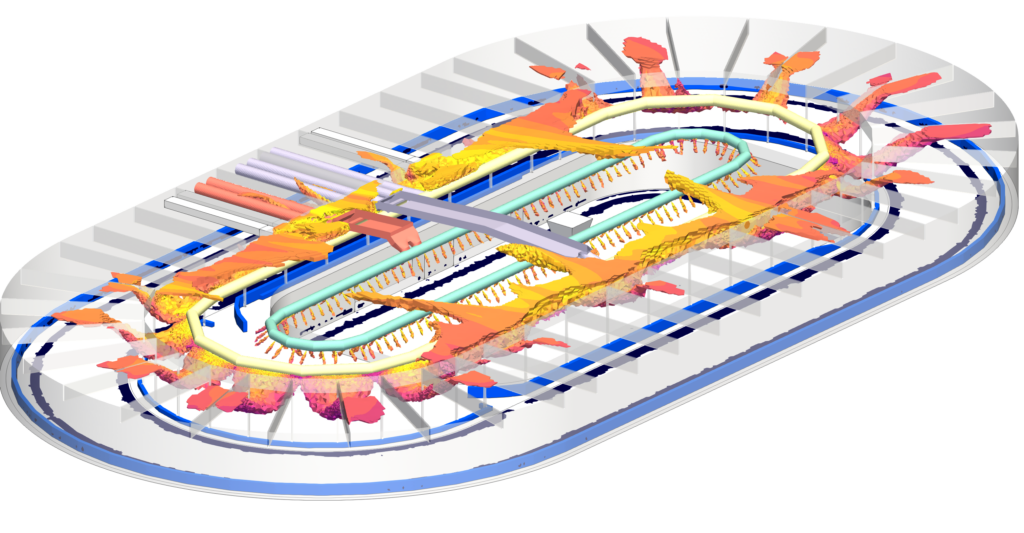
- Industrial equipment, including pumps, fans, mixers, and combustion systems
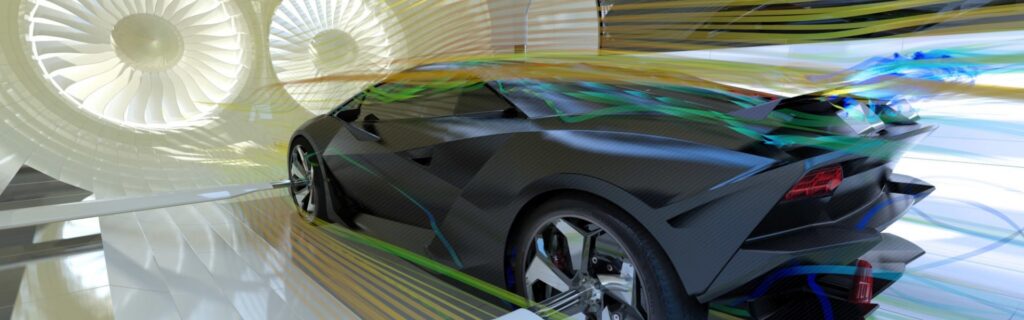
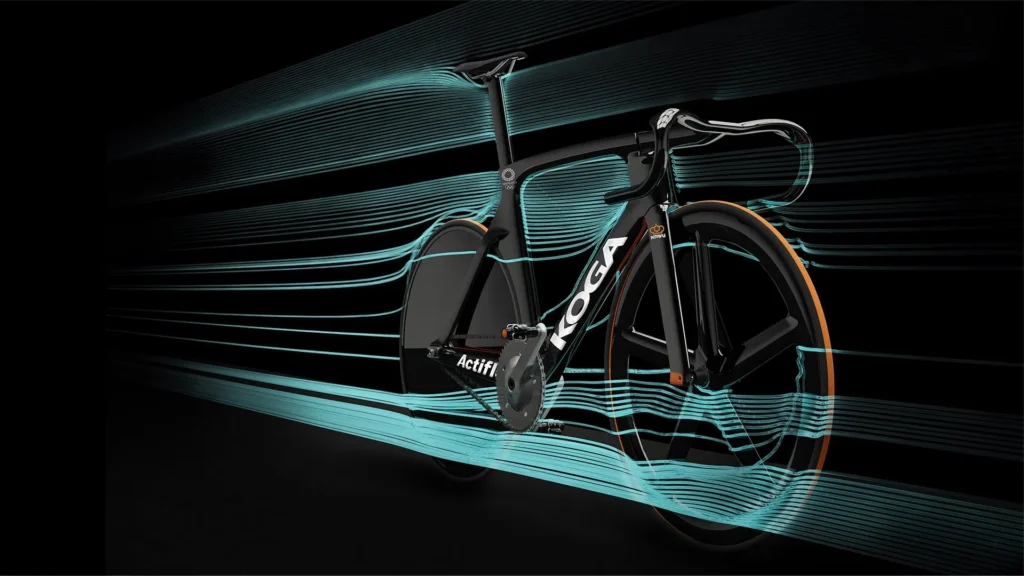
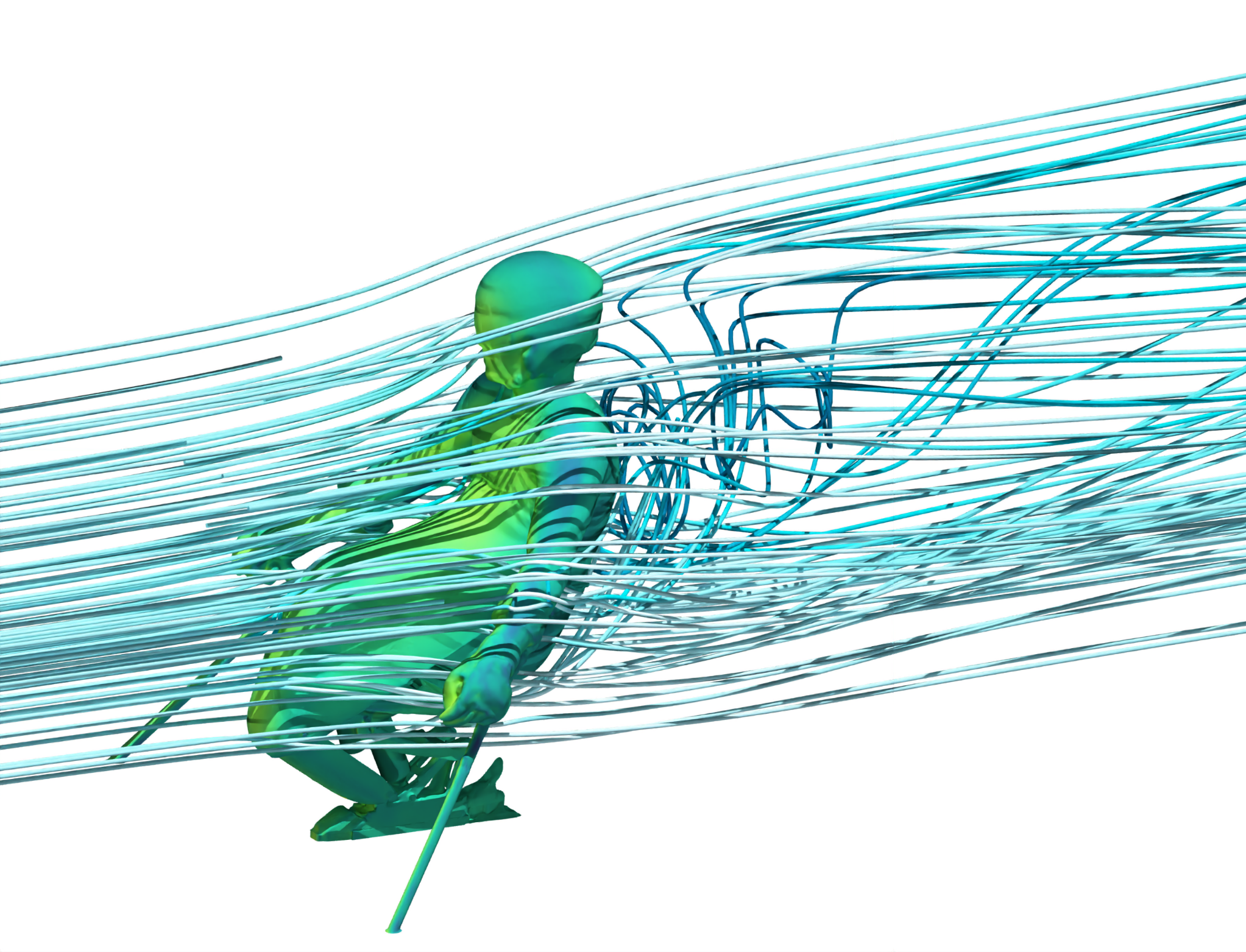
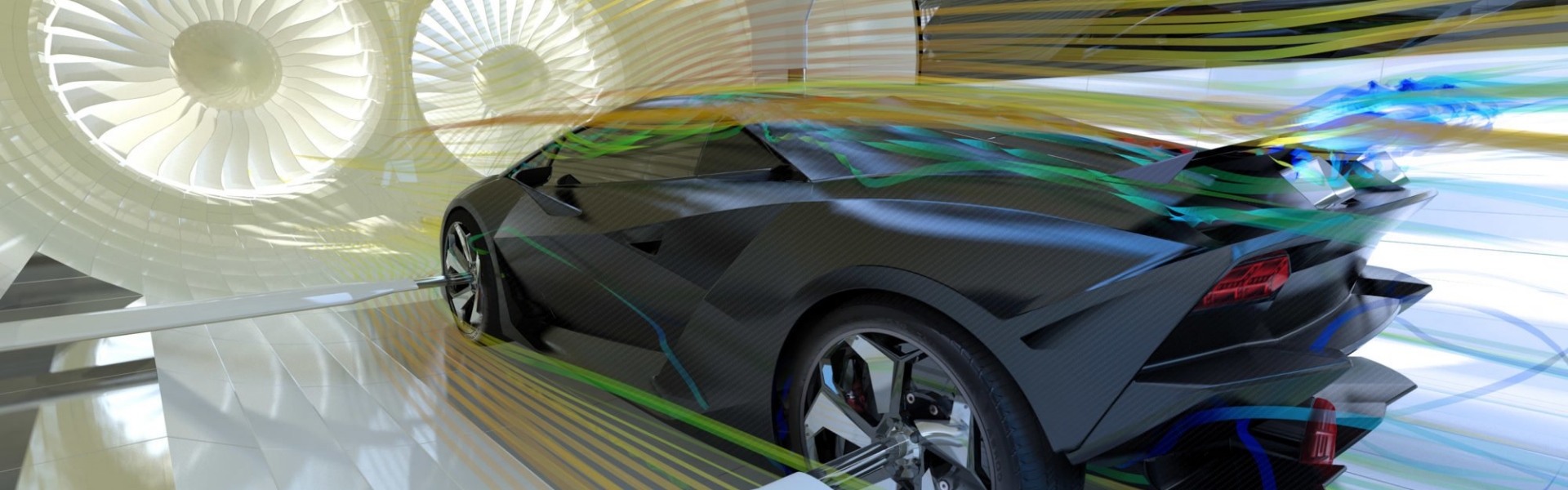
- The aerodynamic design of aircraft, cars, buses, and trucks
- Process industries where fluid flow, heat transfer, and mixing play a critical role
The CFD Process
At Actiflow, a typical CFD project consists of the following steps:
1. CAD Model
The starting point of every CFD simulation is a CAD model of the product, system, or building under investigation. We first prepare this model for CFD analysis by removing irrelevant details and creating a clean, closed fluid domain suitable for simulation.
2. Computational Domain and Mesh
Next, we define the computational domain: the volume in which the fluid flow will be calculated.
Within this domain, we generate a computational mesh consisting of millions of individual cells. The mesh is refined near surfaces and in regions where large gradients in velocity, pressure, or temperature are expected. The governing flow equations are solved for each cell in the mesh.
3. Simulation
To perform the simulation, we select the most appropriate flow solver for the physical problem being studied. We then define the required numerical models and specify all relevant boundary conditions.
Once the simulation setup is complete, the calculations are performed on a high-performance workstation or computer cluster. Depending on the complexity of the problem, simulations may take anywhere from several hours to several days.
4. Results and Optimization
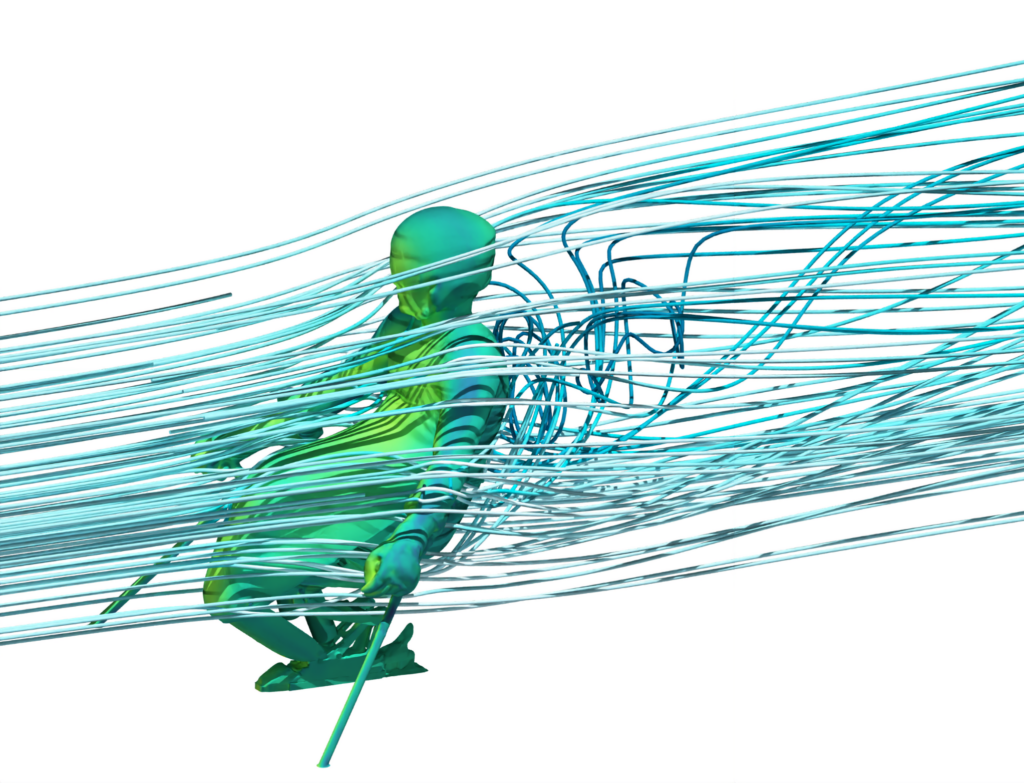
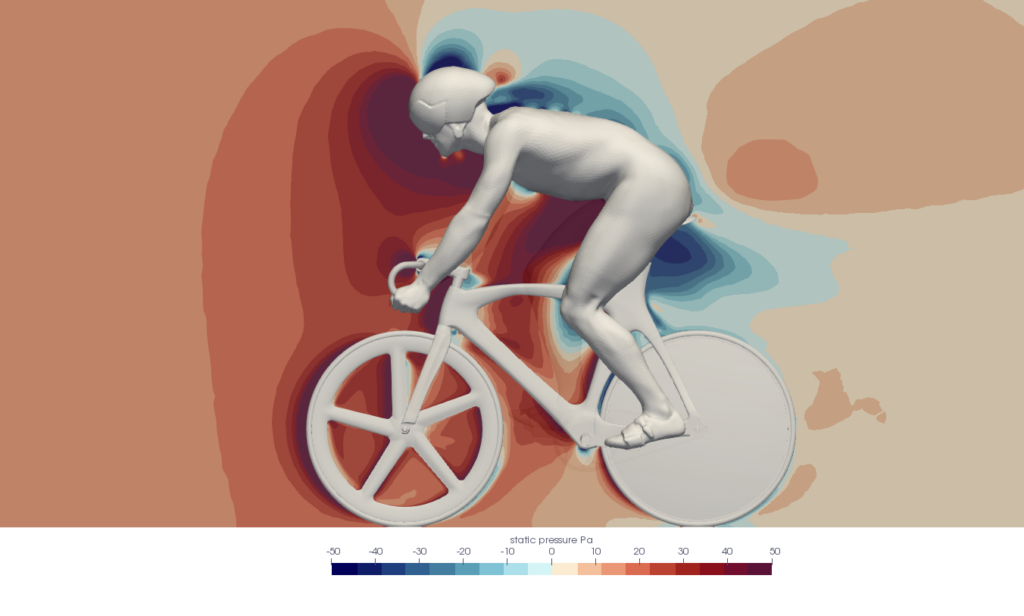
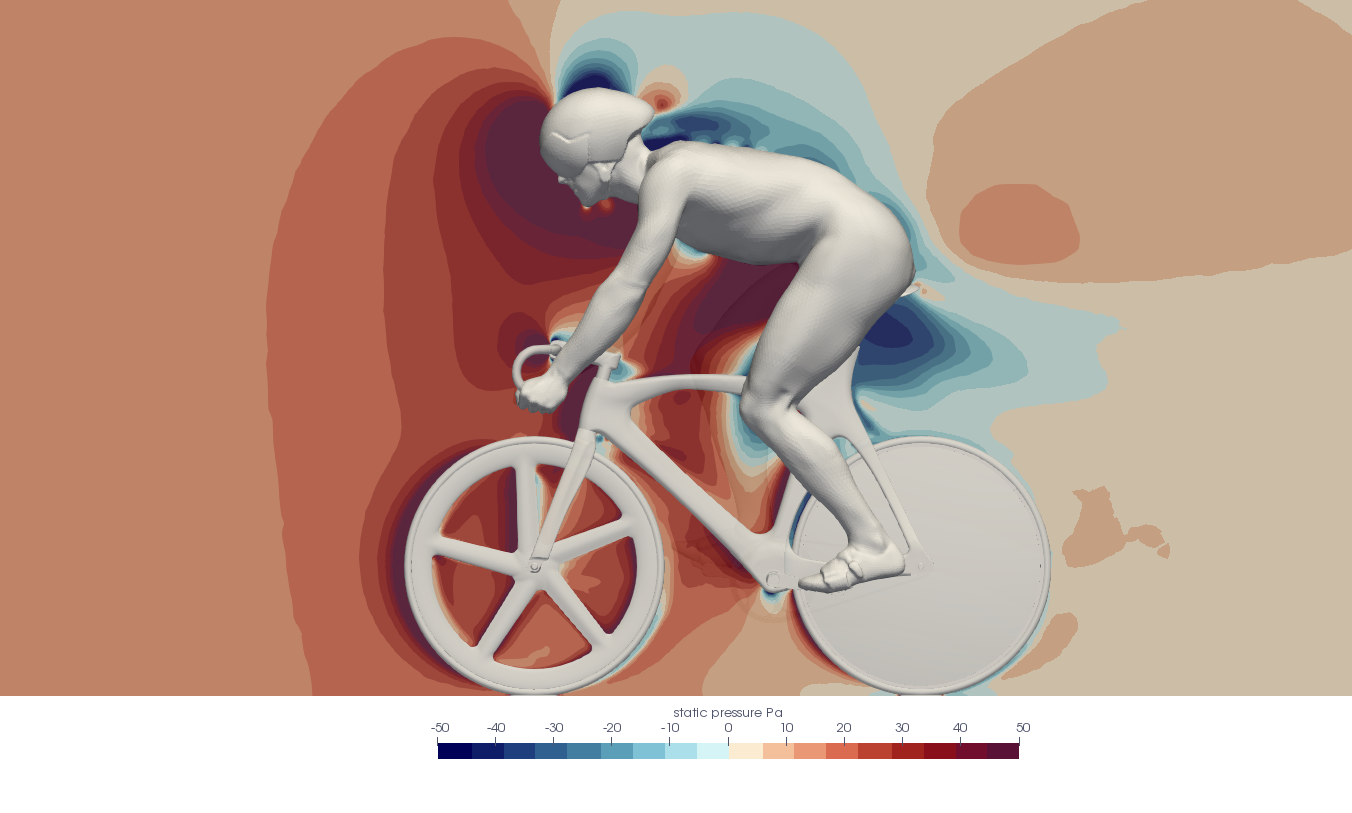
A CFD simulation generates a large dataset containing information such as flow velocities, pressures, and, when relevant, temperatures throughout the computational domain.
We process this data into clear visualizations, animations, and performance graphs that provide insight into the behavior of the product or building. Based on these results, we identify potential issues and propose practical improvements.
Together with our client, we evaluate the feasibility of the proposed solutions and determine which design modifications should be investigated further. Additional simulations are then performed to validate and refine these improvements.
Through this iterative process, we gradually arrive at an optimized solution that meets all performance requirements, complies with applicable standards, and satisfies all stakeholders.