
Which 4 factors influence wind speed in urban environments?
Building height, street layout, and terrain all drive urban wind speed — discover which factor matters most for pedestrian safety.

Building height, street layout, and terrain all drive urban wind speed — discover which factor matters most for pedestrian safety.

Wind tunnel or CFD? Discover how urban wind speed is measured and which standard applies to your building project.
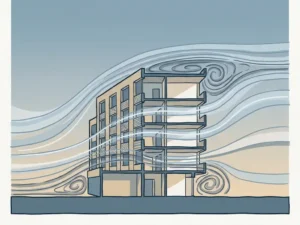
Doubling wind speed quadruples building pressure — here's why shape, not just speed, defines structural risk.

Urban density drives wind discomfort — discover how smart design and CFD simulation protect pedestrians before construction begins.

Wind above 5 m/s makes city streets uncomfortable — discover 5 key ways it impacts pedestrians and urban design.

Discover how CFD simulates wind across entire city districts — revealing what wind tunnels simply cannot.

Wind engineers assess pedestrian comfort using CFD simulation and wind tunnel testing — here's exactly how it works.

Building height, orientation, and urban context can dramatically amplify street-level wind. Discover what shapes pedestrian comfort.
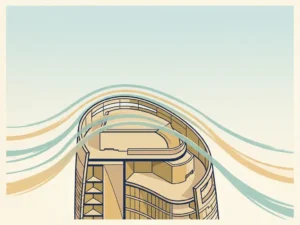
Wind engineering prevents structural failures and costly redesigns — here's how CFD and wind assessments shape smarter building decisions.

Discover 6 expert-backed strategies to reduce wind in public squares — from smart building layouts to post-construction fixes.
Gemaakt door 